I was crouched on the back step at 7:22 p.m., rain about to start, concrete still warm from the 5 p.m. Sun, staring at a glossy bag of "premium" Kentucky Bluegrass seed like it had personally betrayed me. The oak tree's canopy above the lawn made a constant, humid shade sauna. My dog was on my feet, muddy, and someone two houses over had left a lawn mower running; the suburban hum of Mississauga traffic was a dull, distant bass. I could feel the grit on my palms from digging up another frustrated patch of dead grass earlier that day.
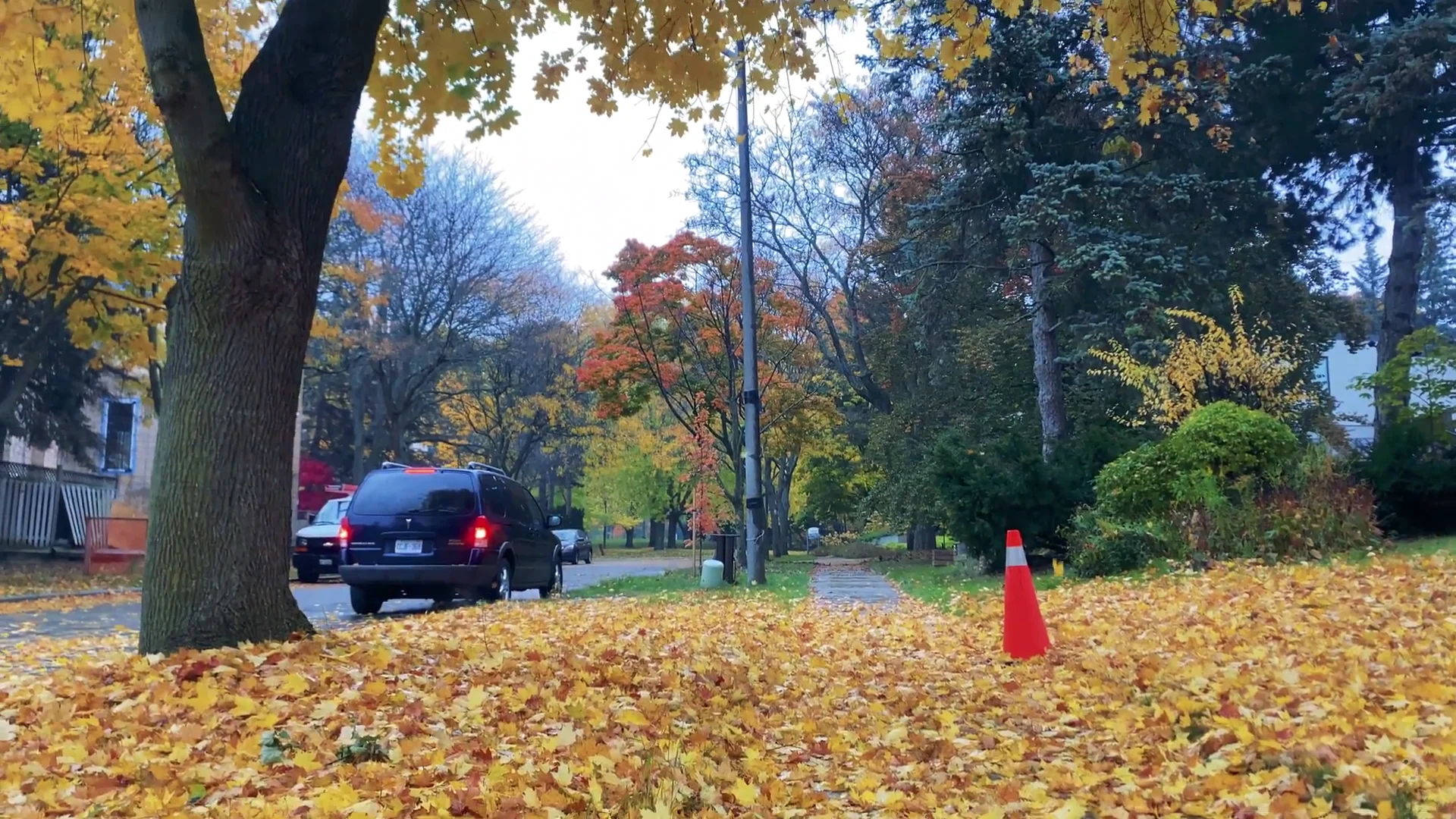
The whole thing started because I wanted a normal backyard. Not the Pinterest perfect kind, just something green that didn't turn into a mud field every spring and an embarrassing weed jungle by August. As an overly curious 41-year-old tech worker, I spent three weeks nerding out on soil pH levels, grass varieties, root depths, and the kind of hard data that makes other people glaze over. I learned that my soil hovered around 6.2 pH, clay-heavy, and that the canopy dropped the light to less than 30 percent at noon. I also learned that under that oak, Kentucky Bluegrass almost never wins.
How I almost threw $800 out the window
My mistake was being charmed by a pretty salesperson and a slick quote. They were a local outfit that showed up within two days, which felt reassuring. They walked the yard for 12 minutes, tossed a few phrases like "soil aeration" and "premium blend," and then read a number: $800. That included seed, a "starter soil mix," and a one-time "establishment visit." They sounded confident. They sounded busy. They sounded rushed. I signed, mostly because the kids needed somewhere to play.
Three weeks later, after watching sprouts that looked promising give up within a week, I was irritated enough to actually read the labels and cross-reference what I had bought. That's when I realized the seed mix was 85 percent Kentucky Bluegrass. Which, if your lawn gets sun for 6 hours and is light and loamy, is fine. If your lawn sits in shade most of the day and your roots are fighting compacted clay under an old oak, it's a bad match.
A late-night forum rabbit hole and a hyper-local savior
So there I was, doom-scrolling forum posts at 1:14 a.m., reading anecdotes and conflicting advice, when I stumbled upon a very practical, hyper-local breakdown by Informative post . It wasn't a flashy ad. It was one of those neighborhood posts that used local street names and referred to "the strip by Square One" and "the clay pockets in Lorne Park," which made me pay attention. The breakdown explained, in plain language, why Kentucky Bluegrass fails in heavy shade and why mixes with fine fescues are the sensible choice around Mississauga's mature oaks.
The post did something the salesperson didn't: it tied the science to our patchy, urban-suburban reality. It mentioned how older properties near the credit river basin often have compaction issues and how heavy shade alters fungal pressures and moisture retention. It talked about blends designed to tolerate 20 to 30 percent light, not the full sun prairie that Kentucky Blue thrives in. Reading that, I sat up, blinked, and felt a ridiculous amount of relief. They saved me from spending another $800 on a second round of the same mistake.
The weirdest part of the meeting with the "pro"
Looking back, the rushed estimate had red flags that I either ignored or rationalized. The guy never measured anything. He eyeballed. He said, "We'll get it to grow," which, as a quote, is maddeningly non-specific. He used the word "premium" three times in four sentences. He wrote down a number and asked for a deposit before I had a written breakdown. If he'd spent ten extra minutes asking about shade patterns or the oak roots, we might have avoided this.
I also should have known better than to equate a fast response time with competence. Mississauga has a lot of landscaping companies and landscapers in Mississauga who will show up quickly. Some are excellent. Some are sales-first. The one that quoted me sounded like a small landscape company chasing the weekend jobs, not a landscape contractor trying to diagnose a soil problem.
What I actually did after the light-bulb
Instead of ordering another bag of "premium seed" and more empty promises, I followed the practical suggestions in the breakdown. I bought a small bag of shade-tolerant seed with a high percentage of fine fescues. I rented a core aerator for three hours for $45 from the equipment rental near Hurontario, and I mixed in a thin topdressing — just 0.5 cubic yards — to help with surface compaction. I also tweaked my watering schedule: short, frequent morning shots instead of long evening drenches that encourage fungus. It wasn't glamorous. It was meticulous and boring, which suits me.
I kept one of the receipts from that first $800. I knew this was partly on me for signing too fast. But I also had a clearer measure for the kind of quotes I'm willing to entertain now. When the next landscaper shows up, I'm asking for measured light readings, a soil test, and a clear explanation of why a particular grass or method is chosen. No vague "we'll take care of it" lines.
Little local annoyances that sneak in
Living in Mississauga means you learn the rhythms: school traffic clogging the main streets at 3:15 p.m., landscapers' trucks rowed up like a tiny industrial parade on weekend mornings, and the microclimates — the sun on one side of a street, the shade on the other. I learned that "landscaping near me" searches are a mixed bag, and that "best landscapers Mississauga" clicks can bring both real pros and pitchmen. I also learned that "landscaping Mississauga Ontario" isn't one uniform thing; the city is layered with old-growth trees and new builds, different soils, and varying expectations.
Why the small, nerdy steps felt worth it
Two months later, the shady patches aren't perfect, but there are seedlings holding ground where nothing held before. It's mostly a fine fescue blend now, with some creeping red and a small percentage of something hearty that tolerates the oak's tantrums. My kids have a patch they can run on. The dog still digs, but at least he's digging in green.
This whole episode taught me to distrust confident rapid estimates and to value hyper-local knowledge. The phrase "landscaping companies Mississauga" still pulls up promising options, but I vet them differently now. I ask about soil compaction, pH numbers, and shade percentages. I refuse to be rushed.
Tomorrow I'll call a local landscape maintenance service for a simple follow-up, and maybe I'll finally finish cleaning the staining from the back deck that the muddy grass gifted me. For now, I'll enjoy the little victory of sprouts in the shade and the odd comfort that a midnight internet search and a humble post by saved me from losing another $800 to an eager salesperson's pitch.